How to Maintain Your Surfboard Between Sessions
12/30/2025
Choosing the Right Surfboard for Your Skill Level
12/30/2025
The Ultimate Guide to Surfing Courses for All Levels
The Ultimate Guide to Surfing Courses for All Levels
Surfing is not just a sport; it is a lifestyle that connects individuals with the ocean and nature. Whether you’re a complete novice or an experienced rider looking to refine your skills, understanding the right surfing courses for your level is crucial. This guide will explore various courses available, how to choose the right surfboard, tips on board care, and the best surfing spots to practice your skills.
Understanding Surfing Courses
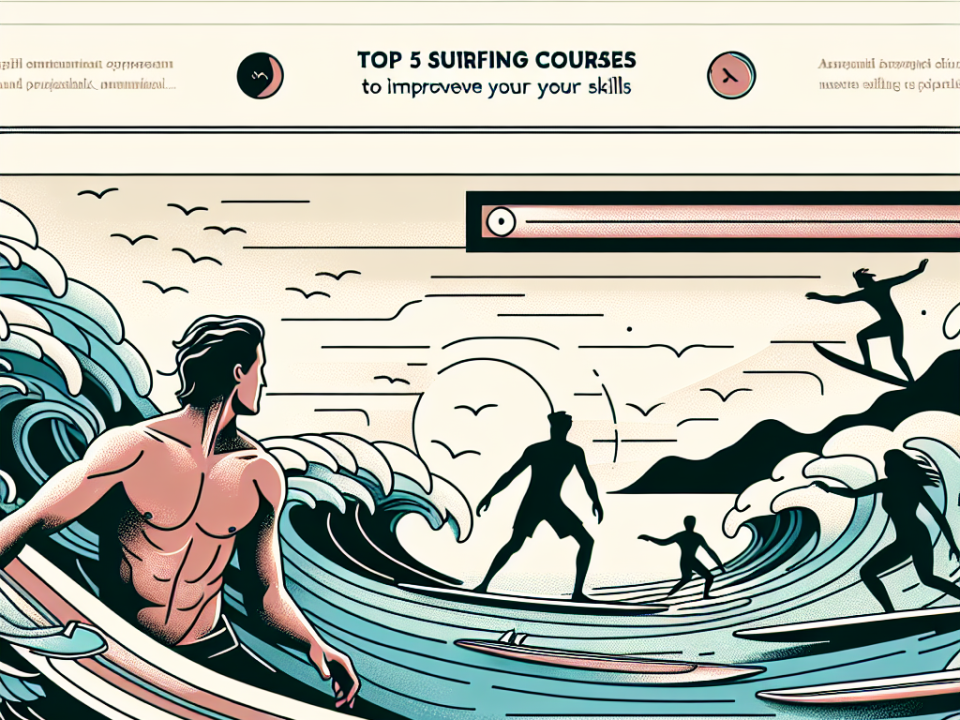
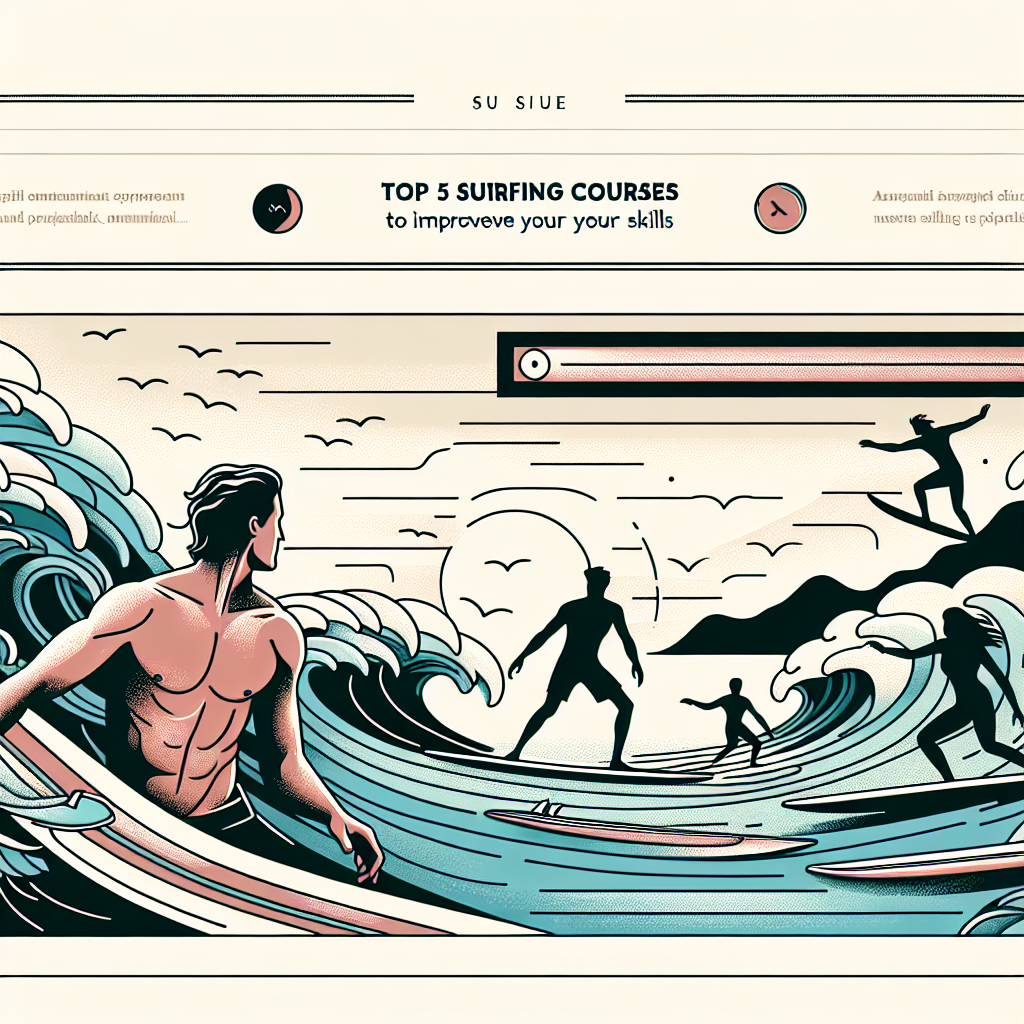
Surfing courses are designed to cater to different skill levels, from beginners to advanced surfers. These courses typically focus on teaching essential techniques, ocean safety, and equipment handling.
Types of Surfing Courses
- Beginner Courses: Focus on basic paddling, balancing, and catching small waves.
- Intermediate Courses: Aim to refine paddling techniques, wave selection, and maneuvers.
- Advanced Courses: Concentrate on performance surfing, including tricks and advanced wave riding.
- Specialized Courses: Include topics like big wave surfing, competitive surfing, or surf fitness.
Choosing the Right Surfboard
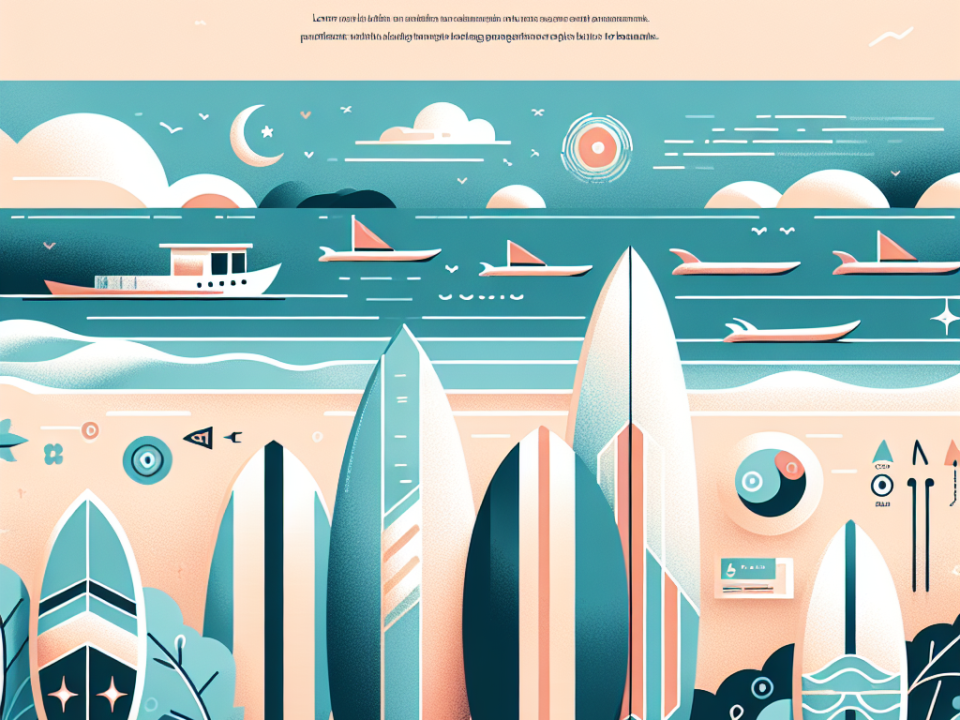
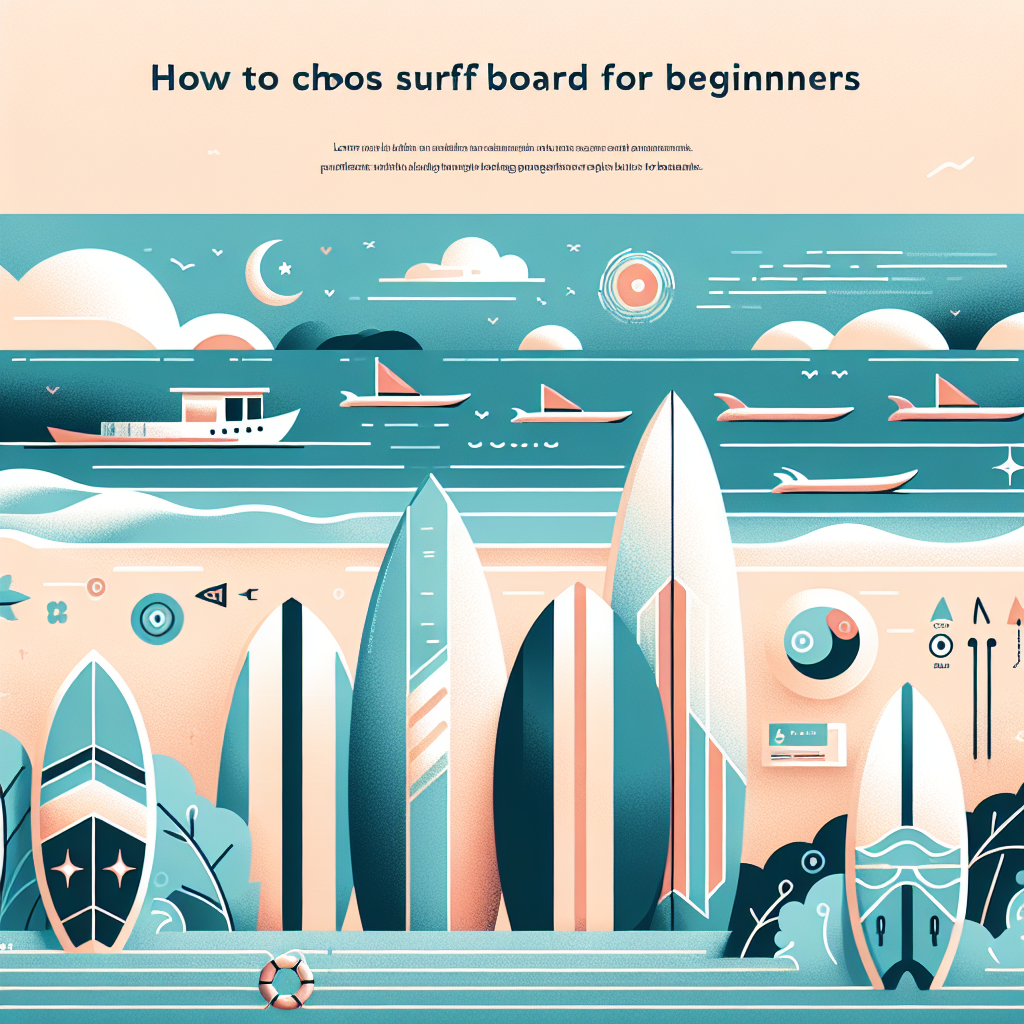
Selecting the right surfboard is essential for your surfing journey. The type of board can significantly impact your learning curve and overall experience.
Factors to Consider
- Skill Level: Beginners should consider soft-top boards for safety, while advanced surfers may prefer hard-top boards for performance.
- Board Size: Longer boards offer more stability; shorter boards provide more maneuverability.
- Board Type: Funboards, longboards, and shortboards each serve different surfing styles and conditions.
- Surf Conditions: Consider the wave type and your local surfing conditions when choosing a board.
Caring for Your Surfboard
Proper care for your surfboard extends its lifespan and ensures optimal performance. Here are some essential maintenance tips:
- Rinse After Use: Always rinse your board with fresh water after surfing to remove salt and sand.
- Store Properly: Keep your board out of direct sunlight and heat to prevent damage.
- Check for Damage: Regularly inspect your board for dings or cracks and repair them promptly.
- Use a Board Bag: Transport your surfboard in a padded bag to avoid scratches and dents.
Best Surfing Spots Around the World
Finding the right surfing spot can enhance your learning experience. Here are some of the best locations suited for various skill levels:
- Bali, Indonesia: Ideal for all levels, with a variety of waves and stunning beaches.
- Gold Coast, Australia: Known for its consistent waves, perfect for beginners and pros.
- Hawaii, USA: Famous for its big waves and advanced surfing challenges.
- Santa Cruz, California: Offers diverse spots suitable for beginners and experienced surfers alike.
Common Mistakes to Avoid
As you embark on your surfing journey, be aware of these common mistakes that can hinder progress:
- Ignoring Safety: Always prioritize safety by wearing a leash and checking conditions before entering the water.
- Wrong Board Choice: Choosing an unsuitable board can lead to frustration; ensure it matches your skill level.
- Neglecting Technique: Focus on proper paddling and positioning rather than just trying to catch waves.
- Overexertion: Take breaks to avoid fatigue; listen to your body.
Conclusion
Surfing is an exhilarating activity that offers both fun and fitness. By selecting the right courses, surfboard, and understanding essential care practices, you can enhance your surfing experience. Remember to practice regularly, be patient with your progress, and enjoy the journey of becoming a skilled surfer. Whether you’re riding gentle waves on a longboard or tackling the challenges of big waves, the ocean awaits your adventurous spirit.