
Best Surfing Destinations for Family Trips
12/30/2025
Environmental Impact: Caring for Your Surfboard
12/30/2025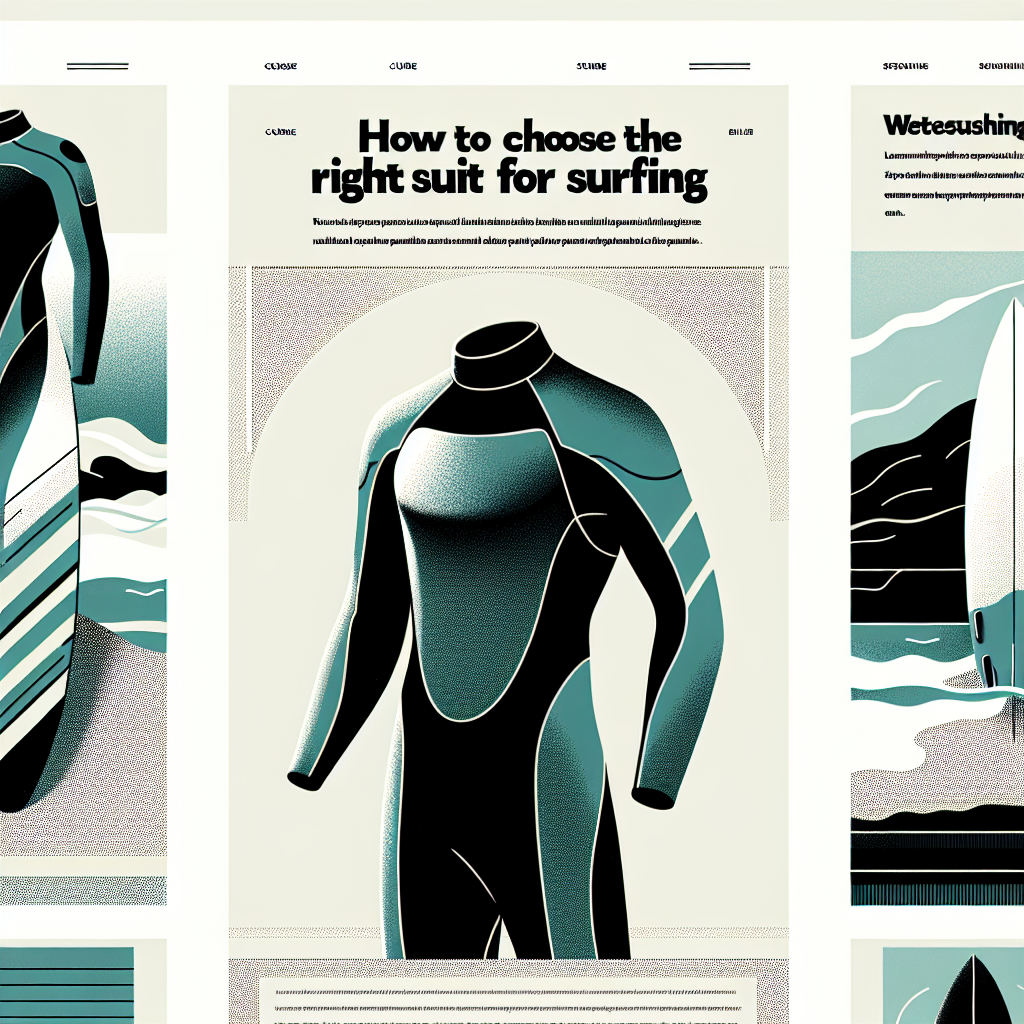
How to Choose the Right Wetsuit for Surfing
Introduction
Choosing the right wetsuit for surfing is essential for both comfort and performance in the water. The right wetsuit can keep you warm, protect you from the elements, and enhance your overall surfing experience. With various styles, thicknesses, and materials available, knowing what to look for can greatly impact your time spent on the waves.
This guide will help you navigate the key factors in selecting a wetsuit, providing you with the information needed to make an informed decision.
Understanding Wetsuit Types
Wetsuits come in various styles, each designed for specific conditions and types of surfing. Here are the main types you should consider:
- Full Wetsuits: Cover the entire body and are ideal for colder waters.
- Shorty Wetsuits: Offer short sleeves and legs, suitable for warmer weather.
- Spring Suits: Provide more coverage than a shorty but less than a full suit, perfect for transitional seasons.
- Neoprene Tops: Great for added warmth without full coverage, often used in warmer waters.
Choosing the Right Thickness
The thickness of a wetsuit is measured in millimeters and typically ranges from 2mm to 6mm. The thickness you need depends on the water temperature where you’ll be surfing.
- Warm Water (above 75°F): 2mm to 3mm thickness.
- Temperate Water (65°F – 75°F): 3mm to 4mm thickness.
- Cold Water (55°F – 65°F): 4mm to 5mm thickness.
- Very Cold Water (below 55°F): 5mm to 6mm thickness.
Material Matters
Wetsuits are made from various materials, primarily neoprene. The quality of neoprene can affect flexibility, warmth, and durability.
- Standard Neoprene: Economical but less flexible.
- Super Stretch Neoprene: Offers more flexibility and comfort but can be pricier.
- Eco-Friendly Neoprene: Made from natural rubber, this option is better for the environment.
Fit and Comfort
Finding a properly fitting wetsuit is crucial. A suit that is too loose will allow water to flow in, making you cold, while a suit that is too tight can restrict movement. Here are tips for ensuring a good fit:
- Try on the wetsuit and make sure you can move your arms and legs freely.
- Check for gaps around the neck, wrists, and ankles.
- Look for a snug fit that doesn’t constrict your breathing.
Common Mistakes to Avoid
When choosing a wetsuit, there are several pitfalls to be aware of:
- Not considering the climate and water temperature.
- Focusing solely on price rather than quality.
- Neglecting to check the return policy, especially when shopping online.
Maintenance and Care
To ensure longevity, proper care of your wetsuit is essential. Follow these tips for maintenance:
- Rinse your wetsuit with fresh water after each use.
- Avoid exposing it to direct sunlight for long periods.
- Store it flat or hung on a wide hanger to maintain its shape.
Conclusion
Choosing the right wetsuit for surfing is a multifaceted decision that requires careful consideration of type, thickness, material, fit, and maintenance. By understanding these elements, you can select a wetsuit that enhances your surfing experience, allowing you to enjoy the ocean comfortably and confidently. Always remember to prioritize a good fit and proper care to ensure your wetsuit lasts for many surf sessions to come.