Best Surfing Spots for Beginners Worldwide
12/30/2025
How to Maintain Your Surfboard Between Sessions
12/30/2025
Understanding Surfboard Shapes and Their Benefits
Introduction
Choosing the right surfboard shape can significantly impact your surfing experience. With a variety of shapes available, each designed for specific conditions and skill levels, understanding these nuances is essential for both beginners and seasoned surfers alike. This article explores different surfboard shapes, their benefits, and how to select the perfect board for your needs.
Types of Surfboard Shapes
Each surfboard shape is crafted to perform best under certain conditions. Familiarity with these shapes will help you make informed decisions. Here are some common surfboard shapes:
- Shortboard: Typically ranging from 5’5″ to 6’8″, shortboards are designed for high-performance surfing with sharp turns and quick maneuvers.
- Longboard: Usually 9 feet or longer, longboards provide stability and are ideal for cruising and catching smaller waves.
- Fish: This shape features a wider tail and is shorter, making it excellent for small to medium waves.
- Funboard: A hybrid between shortboards and longboards, funboards are versatile and great for beginners.
- Gun: Designed for big wave surfing, guns are longer and narrower, allowing for high speed and control in powerful surf.
Shortboards
Shortboards are the choice of experienced surfers who seek agility and performance. Their design promotes tight turns and quick transitions, making them perfect for aggressive surfing. However, they require good paddling skills and balance.
Longboards
Longboards, known for their ease of use, are often recommended for beginners. Their size allows for maximum stability, making it easier to catch waves. Additionally, they provide a classic surfing experience with a focus on style and grace.
Fish Surfboards
Fish surfboards are ideal for smaller, softer waves. Their wide tails and rounded noses provide excellent flotation, allowing surfers to maintain speed in less powerful conditions. Fish boards are also known for their fun and playful ride.
Choosing the Right Surfboard Shape
Selecting the perfect surfboard shape involves considering several factors:
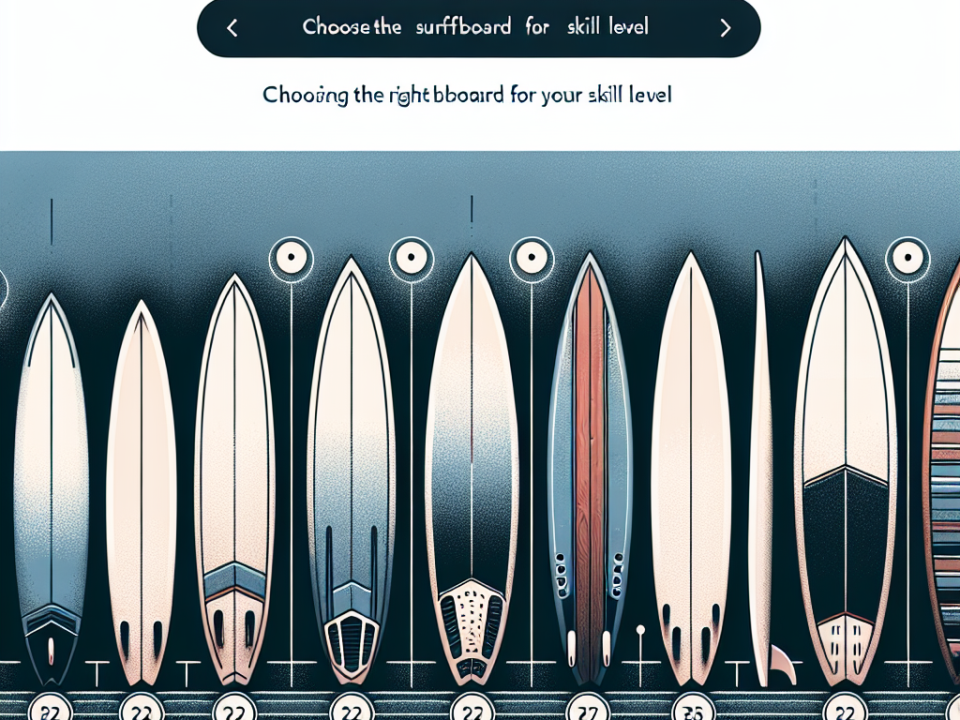
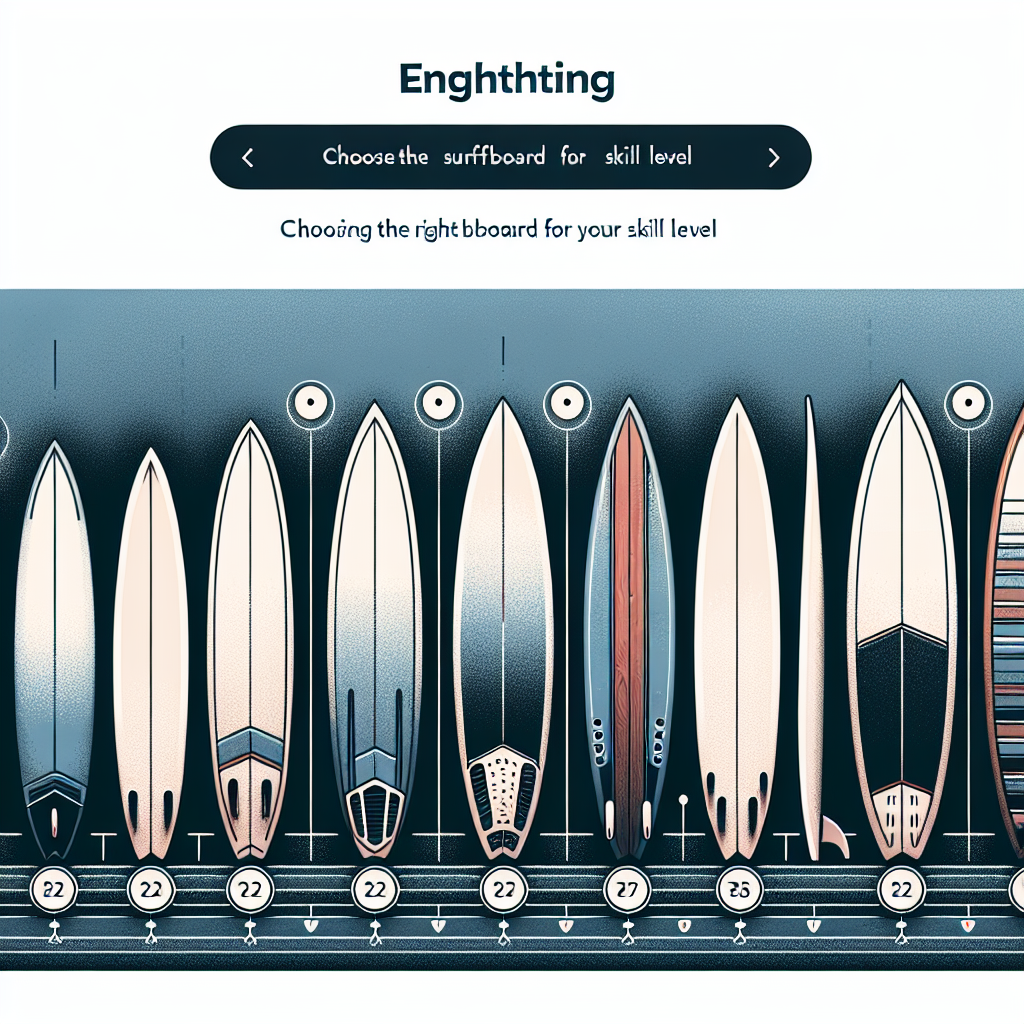
- Your Skill Level: Beginners should opt for longboards or funboards, while advanced surfers might prefer shortboards.
- Wave Conditions: Assess the typical surf conditions at your favorite spots. Choose boards that suit smaller waves or bigger swells accordingly.
- Your Weight and Height: Ensure that the board dimensions correspond to your body size for optimal performance.
- Style of Surfing: Consider whether you prefer speed and agility or stability and flow.
Benefits of Understanding Surfboard Shapes
Knowing about surfboard shapes offers several advantages:
- Improved Performance: Selecting the right shape enhances your surfing skills and enjoyment.
- Better Wave Selection: Understanding your board helps you choose appropriate waves to surf based on its capabilities.
- Increased Safety: Using the right surfboard can minimize the risk of accidents or injuries.
Common Mistakes to Avoid
Many surfers make mistakes when selecting a surfboard. Here are a few to watch out for:
- Ignoring Skill Level: Choosing a board that is too advanced can lead to frustration.
- Neglecting Wave Conditions: Using a board unsuitable for local conditions makes it difficult to catch waves.
- Overlooking Maintenance: Failing to care for your board can affect its performance and lifespan.
Conclusion
Understanding surfboard shapes is crucial for enhancing your surfing experience. By recognizing the different types and their benefits, you can make informed choices that suit your skill level and local conditions. Avoid common mistakes and ensure your surfboard meets your surfing style for optimal enjoyment. Whether you’re a beginner or an experienced surfer, selecting the right surfboard shape can greatly elevate your time on the waves.