How to Pack Your Surfboard for Travel Safely
12/30/2025
Top 5 Surfing Courses to Improve Your Skills
12/30/2025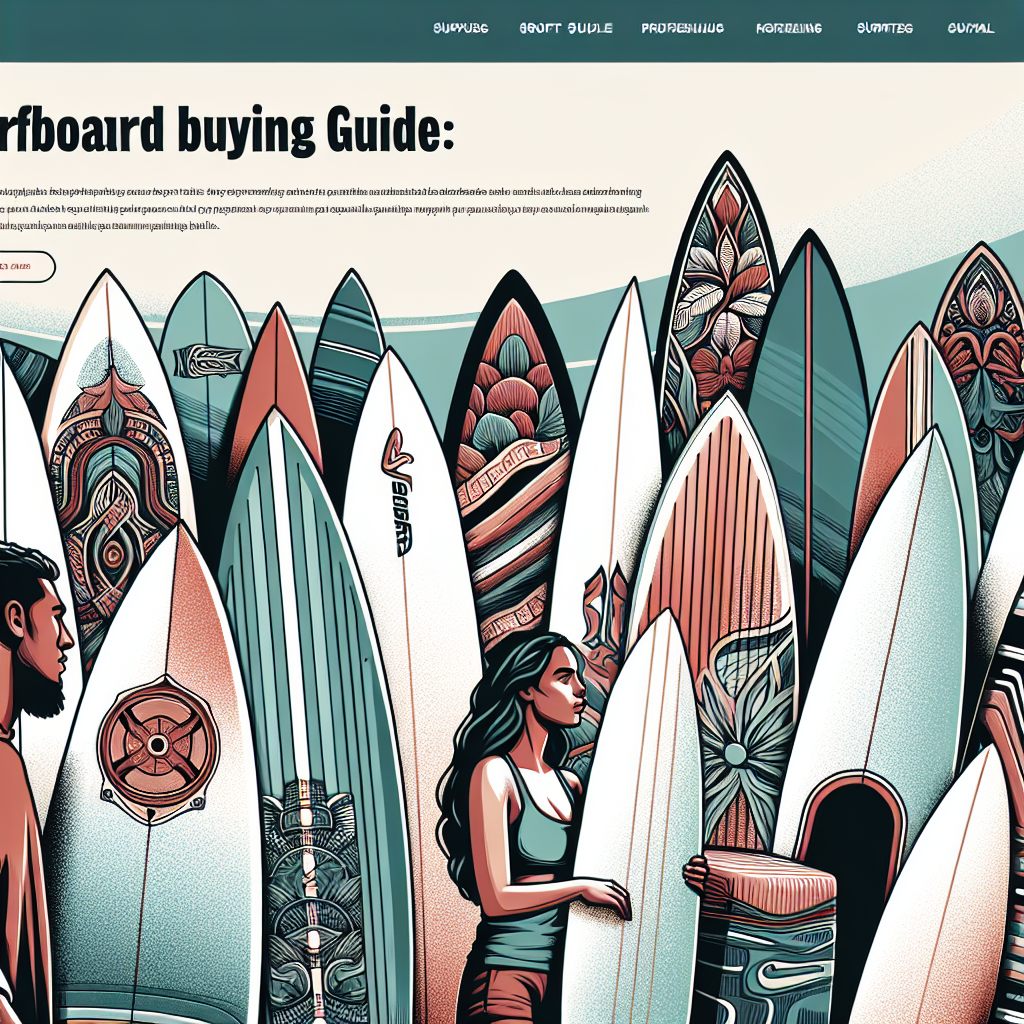
Surfboard Buying Guide: What to Look For
Introduction
Choosing the right surfboard is a crucial step for any surfing enthusiast, whether you’re a beginner or an experienced rider. The surfboard you select can significantly impact your performance and enjoyment on the waves. This guide will help you understand the different types of surfboards available, key features to consider, and common mistakes to avoid when purchasing a surfboard.
Understanding Surfboard Types
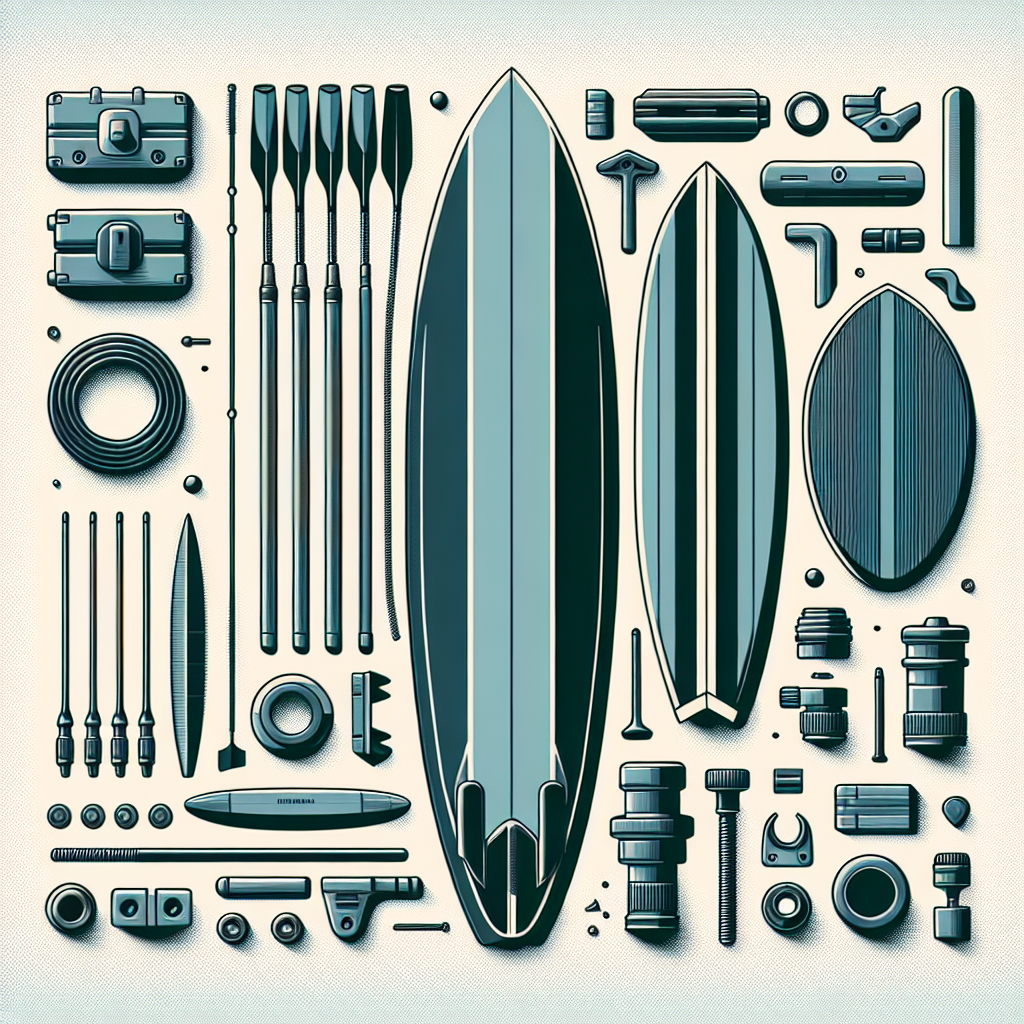
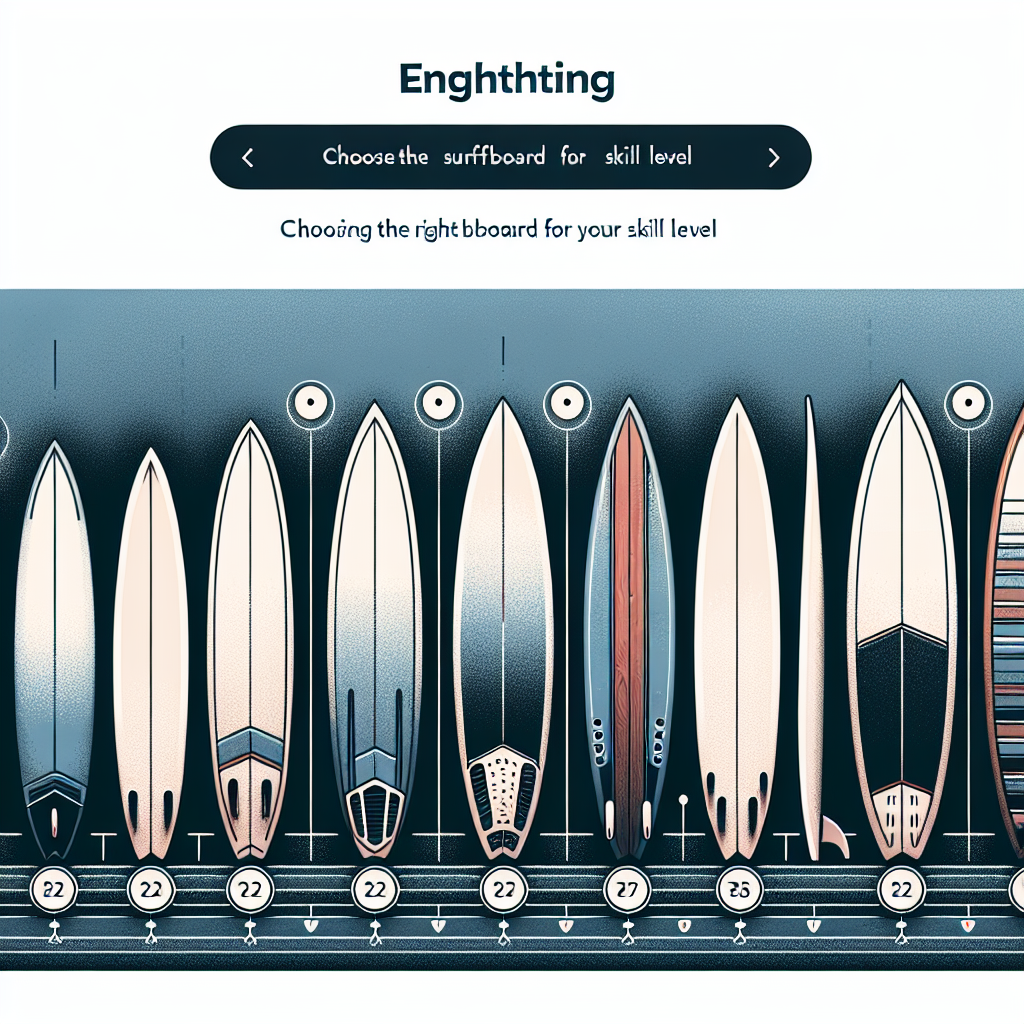
Surfboards come in various shapes and sizes, designed for different styles of riding and wave conditions. The main categories include:
- Shortboards: Ideal for performance and maneuverability in larger waves.
- Longboards: Perfect for beginners and those who enjoy a more relaxed paddling experience.
- Funboards: A hybrid of shortboards and longboards, offering stability and versatility.
- Fish: Wider and shorter, designed for small to medium waves, providing speed and floatation.
- Gun: Designed for big waves, featuring a pointed nose and a longer length for better control.
Key Features to Consider
When selecting a surfboard, consider the following features:
- Size and Volume: The size of the board should match your height, weight, and skill level. More volume provides better buoyancy for beginners.
- Material: Surfboards are typically made from foam, fiberglass, or epoxy. Foam boards are great for beginners, while fiberglass is preferred by more experienced surfers for performance.
- Tail Shape: Different tail shapes can affect how the board rides. Examples include square, round, and swallow tails.
- Fin Configuration: Boards can have single, twin, thruster (three fins), or quad fin setups, each impacting performance and stability.
- Rockers: The curvature of the board can influence speed and maneuverability. A more pronounced rocker helps with turns but may reduce speed.
Common Mistakes When Buying a Surfboard
Many new surfers make mistakes that can lead to frustration. Here are some common pitfalls to avoid:
- Choosing the wrong size: A board that’s too big or too small can hinder your learning process.
- Ignoring your skill level: Picking a high-performance board when starting out can result in a steeper learning curve.
- Not considering the type of waves: Selecting a board that doesn’t suit the typical surf conditions at your local beach can limit your enjoyment.
Tips for Maintaining Your Surfboard
Once you’ve purchased your surfboard, proper care is essential to ensure its longevity. Here are some maintenance tips:
- Rinse after use: Always rinse your board with fresh water after surfing to remove salt and sand.
- Store properly: Keep your board in a cool, dry place away from direct sunlight to prevent damage.
- Check for damage: Regularly inspect your board for dings or cracks and repair them promptly.
Finding Your Perfect Surfboard
Choosing the right surfboard is a personal journey. Consider trying out different boards through rentals or demos to see what feels right for you. Talk to experienced surfers or instructors for advice tailored to your skill level and local surf conditions.
Conclusion
Purchasing a surfboard can be an exciting yet daunting task. By understanding the different types of boards, key features to consider, and common mistakes to avoid, you can make an informed decision. Remember to prioritize your skill level and local conditions when selecting a board. With the right surfboard and proper care, you’ll be well on your way to enjoying thrilling days on the ocean.